

Beijing Children's Hospital Hosts Dialogue on
Global Access to Essential Childhood Cancer Medicines
Source:International Office
Browse times:
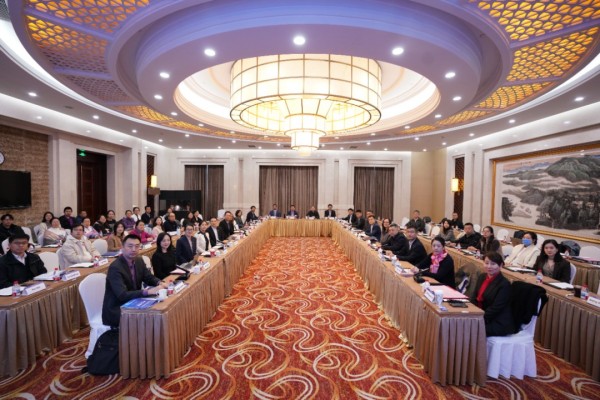
On November 5, 2026, Chinese and international partners met in Beijing to discuss how China's drug development and manufacturing capacity could help more children with cancer access essential medicines. Beijing Children's Hospital hosted the event, Improving Global Access to Essential Childhood Cancer Medicines, with the World Health Organization (WHO) as co-sponsor.
Participants included Chinese government officials, clinicians, researchers and pharmaceutical manufacturers, as well as representatives of UNICEF and St. Jude Children's Research Hospital. The Beijing Frontier Pharmaceutical Industrial Think Tank, the Chinese Hospital Association Children's Hospitals Branch and the Beijing Children's Health Foundation also supported the event.
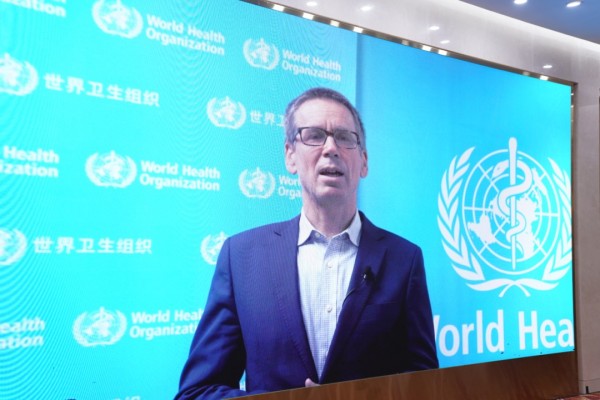
“Where a child is born should not determine whether that child survives cancer or not. Yet today it often does,” said Martin Taylor, WHO Representative to China, in a video address. Many children still lack access to effective treatments, including relatively inexpensive generic medicines, he said. China's capacity to produce generic medicines and active pharmaceutical ingredients could help close that gap.
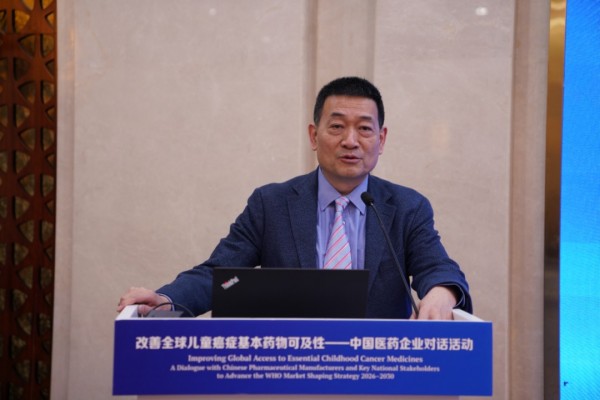
A representative of the National Health Commission's Department of Medical Administration spoke about efforts to coordinate childhood cancer care and improve access to medicines. Hospital President Ni Xin called for closer cooperation with WHO, St. Jude and Chinese manufacturers so that medicines developed in response to clinical needs in China could benefit children in other countries. He cited the hospital's work with an industry partner to develop mercaptopurine minitablets for children with leukemia as one example of how clinical needs can guide drug development.
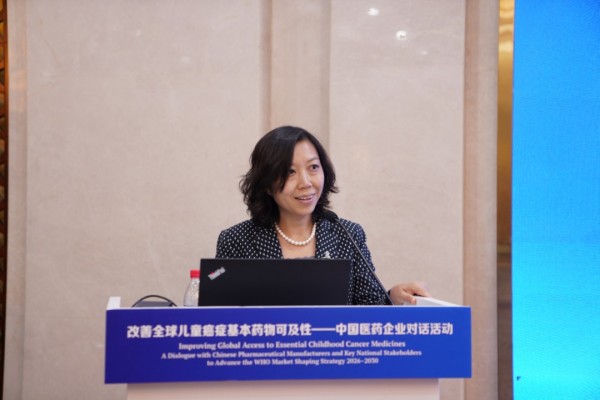
Experts from WHO and St. Jude explained how the Global Platform for Access to Childhood Cancer Medicines brings together information on which medicines participating countries need and in what quantities. WHO's 2026–2030 market shaping strategy, released in September, draws on this experience. It calls for better demand forecasting, wider use of pooled procurement and measures to facilitate medicine registration, all aimed at improving access to quality-assured medicines. Drawing on national surveillance data and clinical research, Vice President Zhang Yizhuo described how care and survival vary across regions of China and highlighted unmet needs for medicines in pediatric oncology.
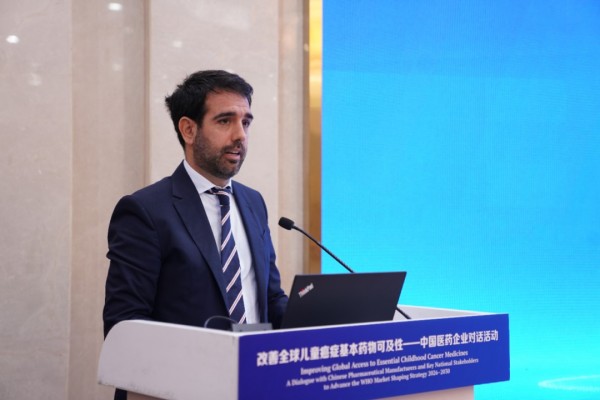
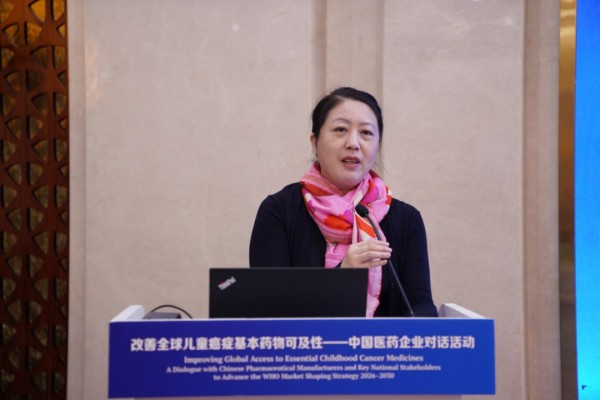
A representative of the Ministry of Industry and Information Technology's Department of Consumer Goods Industry outlined priorities in China's 15th Five-Year Plan for the Development of the Pharmaceutical Industry, including strengthening the country's capacity to produce and supply medicines and expanding international cooperation. Experts from the China Society for Drug Regulation, Peking University and WHO discussed pediatric drug development and regulatory review, WHO prequalification and the Collaborative Registration Procedure.
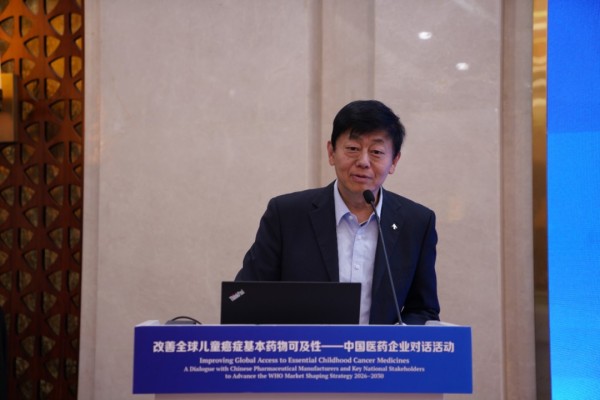
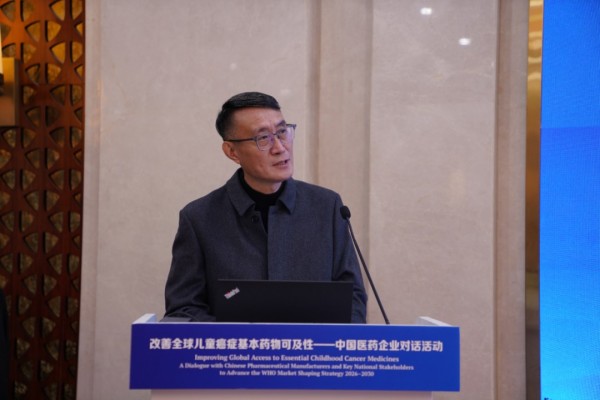
Hamadou Modibo Dicko, UNICEF Deputy Representative in China, explained how suppliers qualify for international procurement and how bids are evaluated. Chinese manufacturers shared their experience developing formulations for children, registering medicines abroad and supplying international markets. Tang Lida, Vice President of the Beijing Frontier Pharmaceutical Industrial Think Tank, moderated the discussion that followed. Manufacturers, clinicians and international partners discussed the challenges Chinese companies face in supplying essential childhood cancer medicines to other countries and the support they would need.
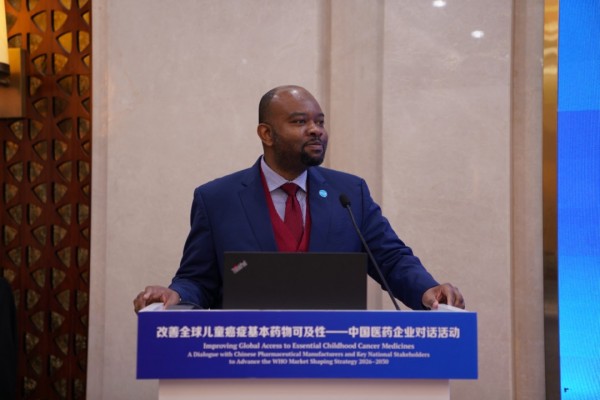
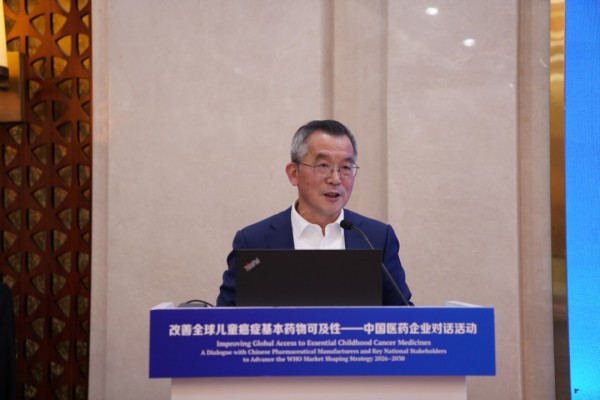
In his closing remarks, WHO cancer programme lead André Ilbawi called for continued dialogue on expanding the supplier base for medicines already covered by the Global Platform. Looking ahead, he asked, “How do we generate the evidence that is needed for new formulations and for new products?” One possibility Ilbawi raised was extending clinical trials already under way at the National Center for Children's Health to other countries.
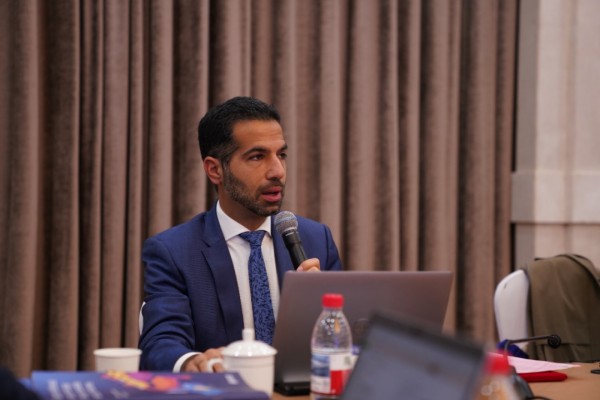
Vice President Zhang expressed interest in working with WHO to explore international multicenter clinical studies of childhood cancer medicines developed in China. She also welcomed closer collaboration with St. Jude on basic research in childhood cancer and on drug development.
International Office
Previous: Beijing Children's Hospital, WHO and St. Jude Explore Collaboration on Childhood Cancer
Next: University of Auckland Delegation Visits Beijing Children's Hospital
-
 KK Women's and Children's Hospital
-
 Meyer - Azienda Ospedaliero Universitaria
-
 Sickkids - hospital
-
 Wolfson Children's Hospital
-
 St. Jude Children's Research Hospital
-
 Children’s National Health System – Ranked top ten Best Children’s Hospitals
-
 Children's Hospital of Los Angeles
-
 Dana-Farber Cancer Institute - Cancer Treatment and Research in Boston, MA
-
 Boston Children's Hospital
-
 Fakultní nemocnice v Motole
-
 ФГБНУ “ИЭМ”
-
 Федеральное государственное автономное учреждение
-
 Pasteur
-
 Morgan Stanley Children's Hospital

Add: 56 South Lishi Road, Xicheng District Beijing
Zip code: 100045
Tel: +8610 59612345
Fax: +8610 59718700